

Creativity is a Muscle we Must Flex.
Within the Technology Curriculum we have three areas where we can design our learners programmes of study. These three strands are Technological Practice, Technological Knowledge and The Nature of Technology. I have broken these down to help our community understand what a modern Technology Classroom looks like.
Through the strand of Technological Practice, students explore both the practices of others and their own technological processes. They develop a range of outcomes, including concepts, plans, briefs, technological models, and fully realised products or systems. Learners investigate existing issues and technological outcomes, applying the knowledge and insights gained alongside established design principles and approaches to inform and refine their own practice. In doing so, they also consider ethical responsibilities, legal requirements, protocols, codes of practice, and the potential impacts of technological developments on stakeholders and the environment.
Within Technological Knowledge, students build an understanding of knowledge specific to technological environments and enterprises, including how and why products and systems function effectively. They learn how functional modelling is used to test and evaluate design ideas, and how prototyping supports the assessment of fitness for purpose as products and systems are developed. Students also examine the properties, applications, and development of materials to better understand product performance. Likewise, they explore the components of systems and the ways they interact to enable systems to operate effectively.
Through the strand of Nature of Technology, students develop an understanding of technology as a distinct discipline and how it differs from other areas of learning. Learners critically examine the influence of technology on societies and the environment and investigate how technological developments and outcomes are perceived and valued by different groups across time and contexts. This enables learners to appreciate the socially embedded nature of technology while developing the ability to engage thoughtfully with contemporary and historical technological issues and to consider possible future developments and scenarios.
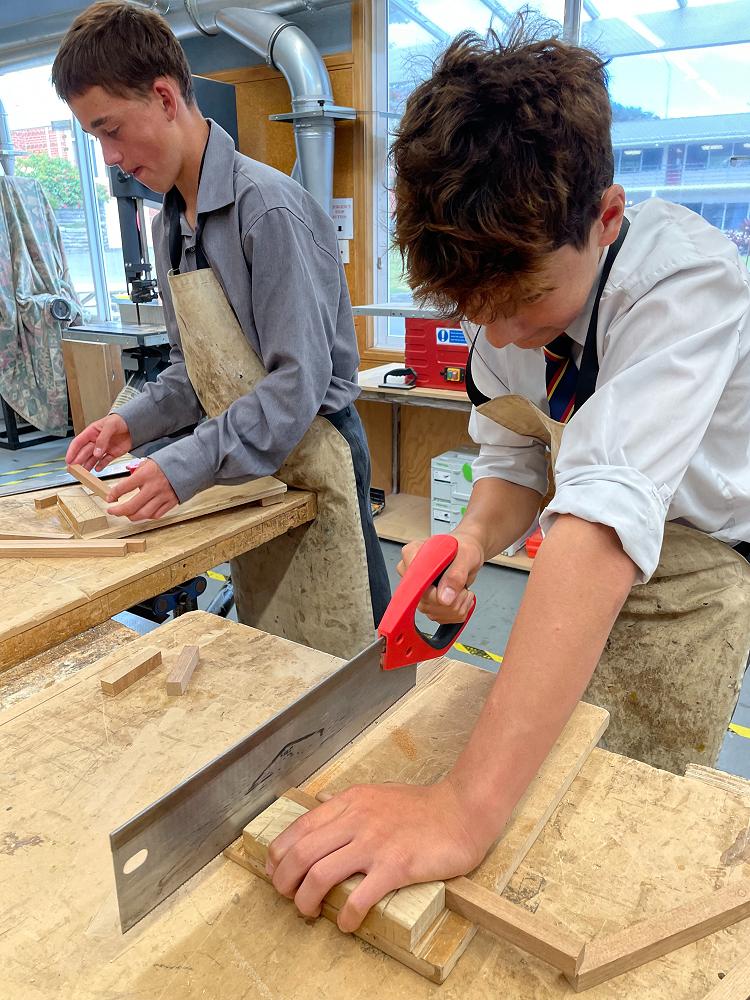
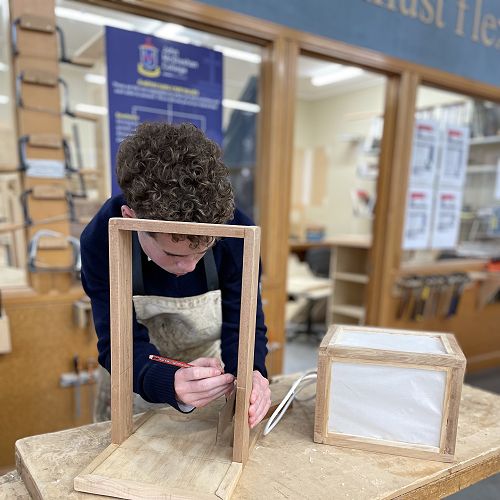
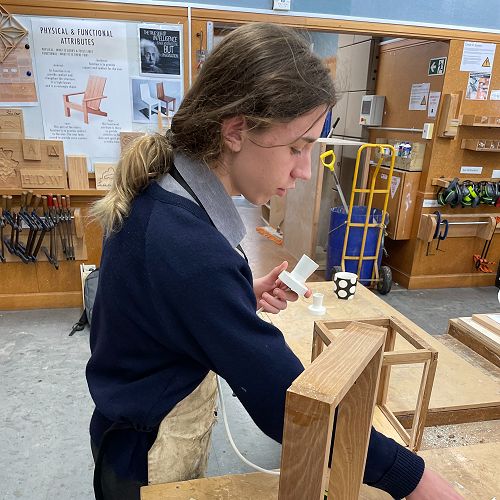
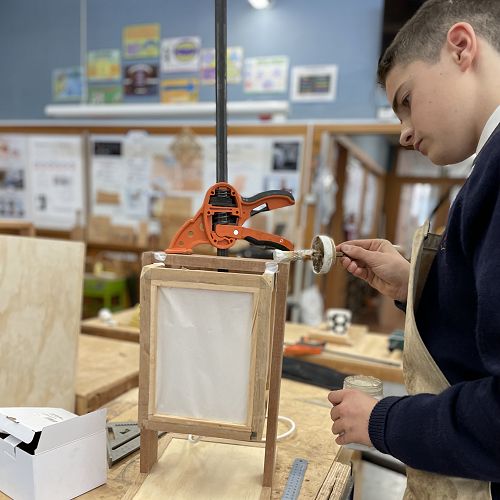
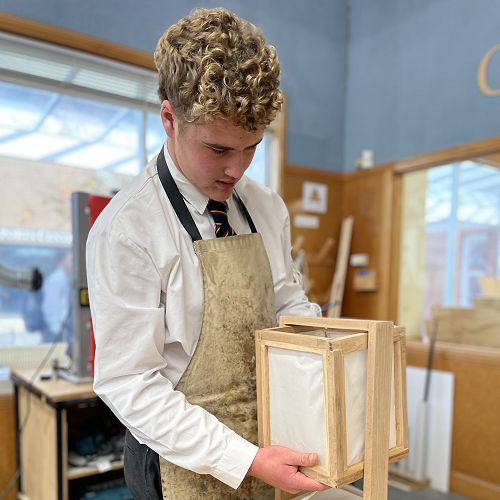
Within our Year 9 rotation in Hard Materials Technology, learners have been challenged to design and manufacture a functional desk lamp using two contrasting materials: plywood and reclaimed rimu. This project encourages creativity, problem-solving, and practical workshop skills while promoting sustainable design practices through the use of reclaimed timber.
The project aligns closely with the new draft Year 9 Curriculum, which emphasises the development of practical capability, collaboration, and informed material selection. Throughout the process, learners are encouraged to:
Choose and use basic tools and joining techniques that suit materials and design requirements and testing their effectiveness during construction.
Work collaboratively to plan and carry out material testing and construction tasks, applying safe practices and sharing feedback to improve outcomes.
Measure and marking accurately, selecting materials based on performance properties, and considering environmental impacts through repurposing and circular design.
This unit not only develops technical and manufacturing skills, but also fosters Kinesthetic learning, resilience, innovation, and an appreciation for sustainable design and craftsmanship. Learners are encouraged to think critically about both the function and aesthetics of their product while gaining confidence in the safe use of tools and workshop equipment.
The photographs show various members from our Year 9 Rotation One cohort finalising their outcomes.
 Open Event Registration - Interested in enrolling?
 Employment opportunities - click if you're interested in working at McGlashan.