
Building the vocabulary and literacy skills our boys need for success.
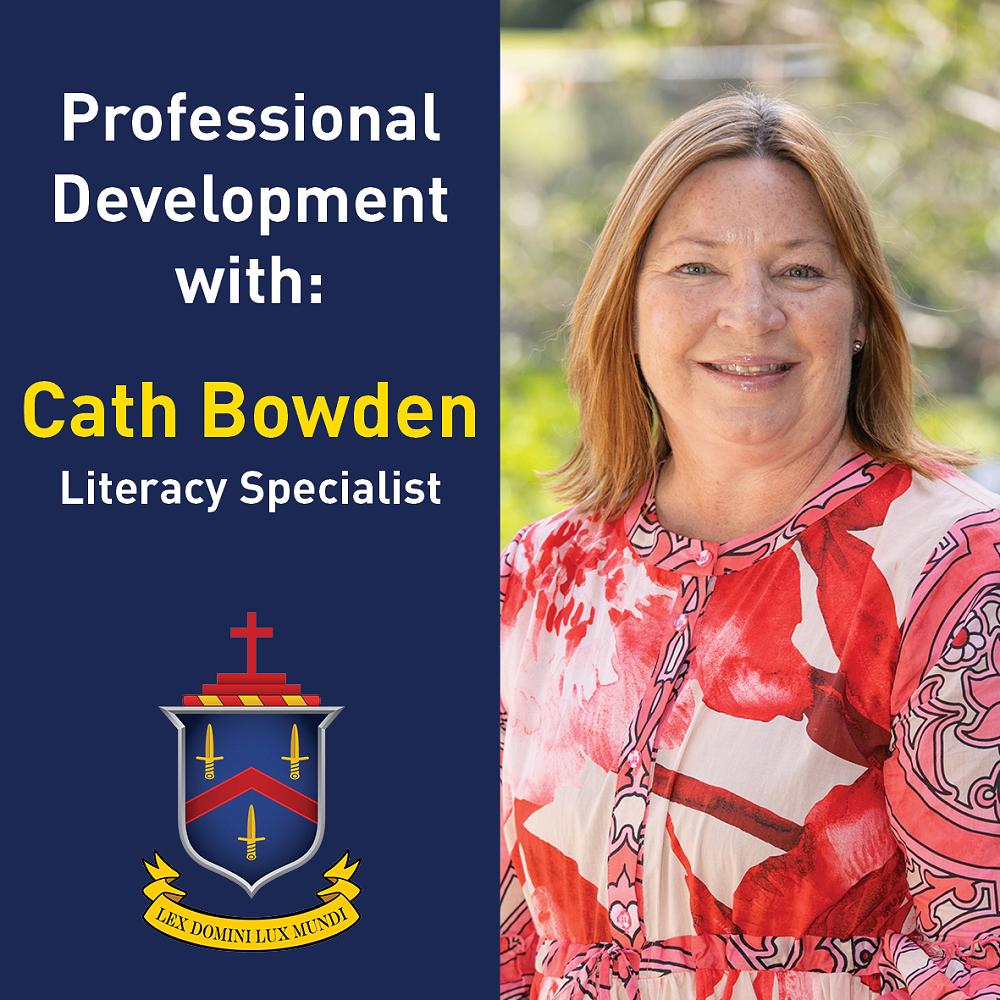
As part of our ongoing Professional Learning and Development programme, staff recently participated in a literacy workshop led by Literacy Specialist Cath Bowden. This work forms an important part of our Annual Implementation Plan, which aims to improve outcomes in NCEA Levels 1–3, University Entrance, and IB by strengthening literacy and numeracy programmes, improving our use of data, and ensuring all students are challenged to realise their academic potential.
Literacy is often associated with English, but the reality is that literacy skills underpin success in every subject. Whether students are interpreting a Mathematics question, analysing a historical source, understanding scientific terminology, or constructing a written argument, strong literacy skills are essential. The ability to read, understand, discuss, and communicate complex ideas is a key predictor of academic success.
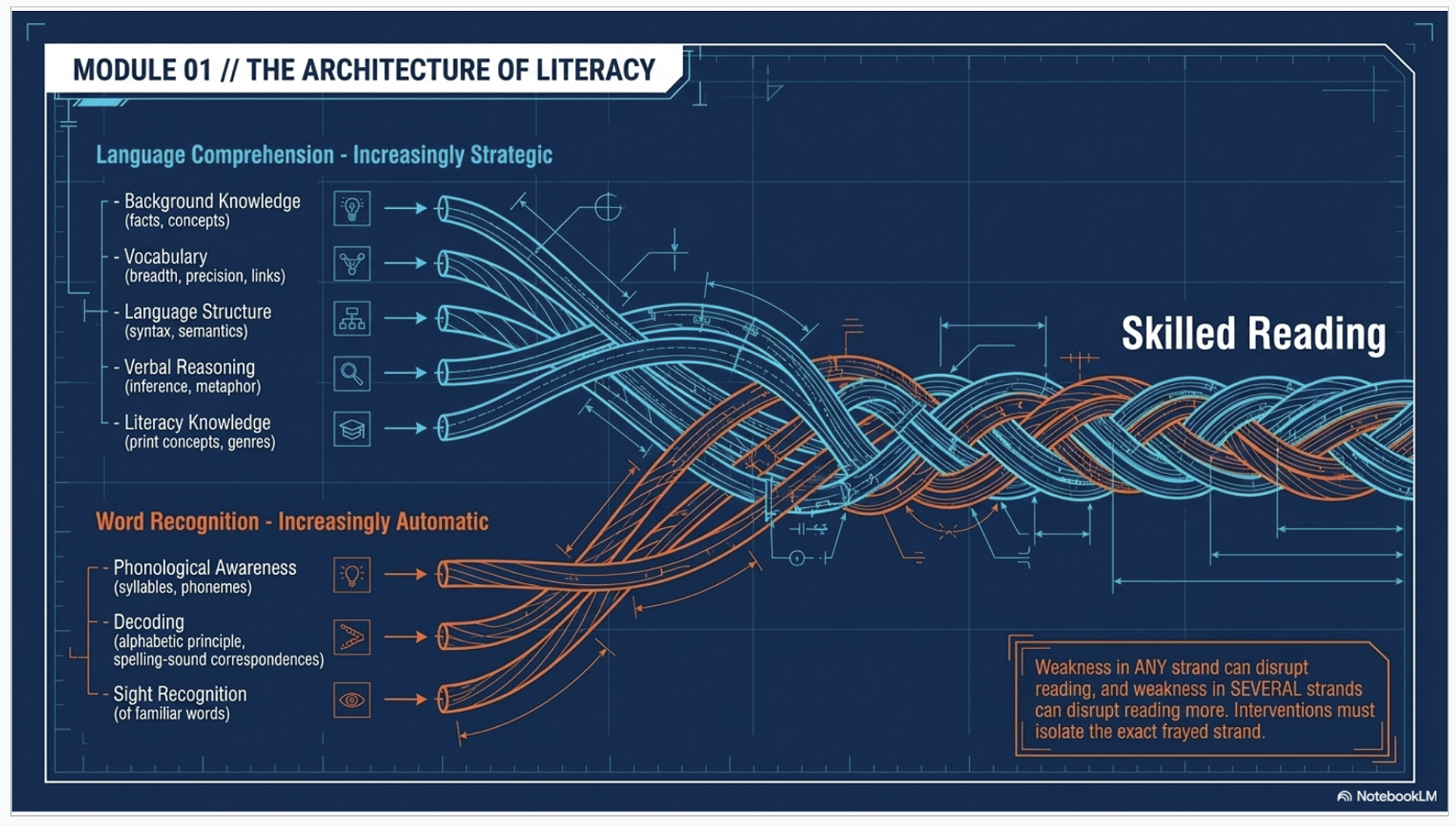
A central focus of Cath's session was the importance of vocabulary development. Research from the Science of Reading shows that vocabulary knowledge is one of the strongest predictors of reading comprehension. Students cannot fully engage with a text if they do not understand the words it contains. This becomes increasingly important as students progress through secondary school and encounter more specialised and academic language.
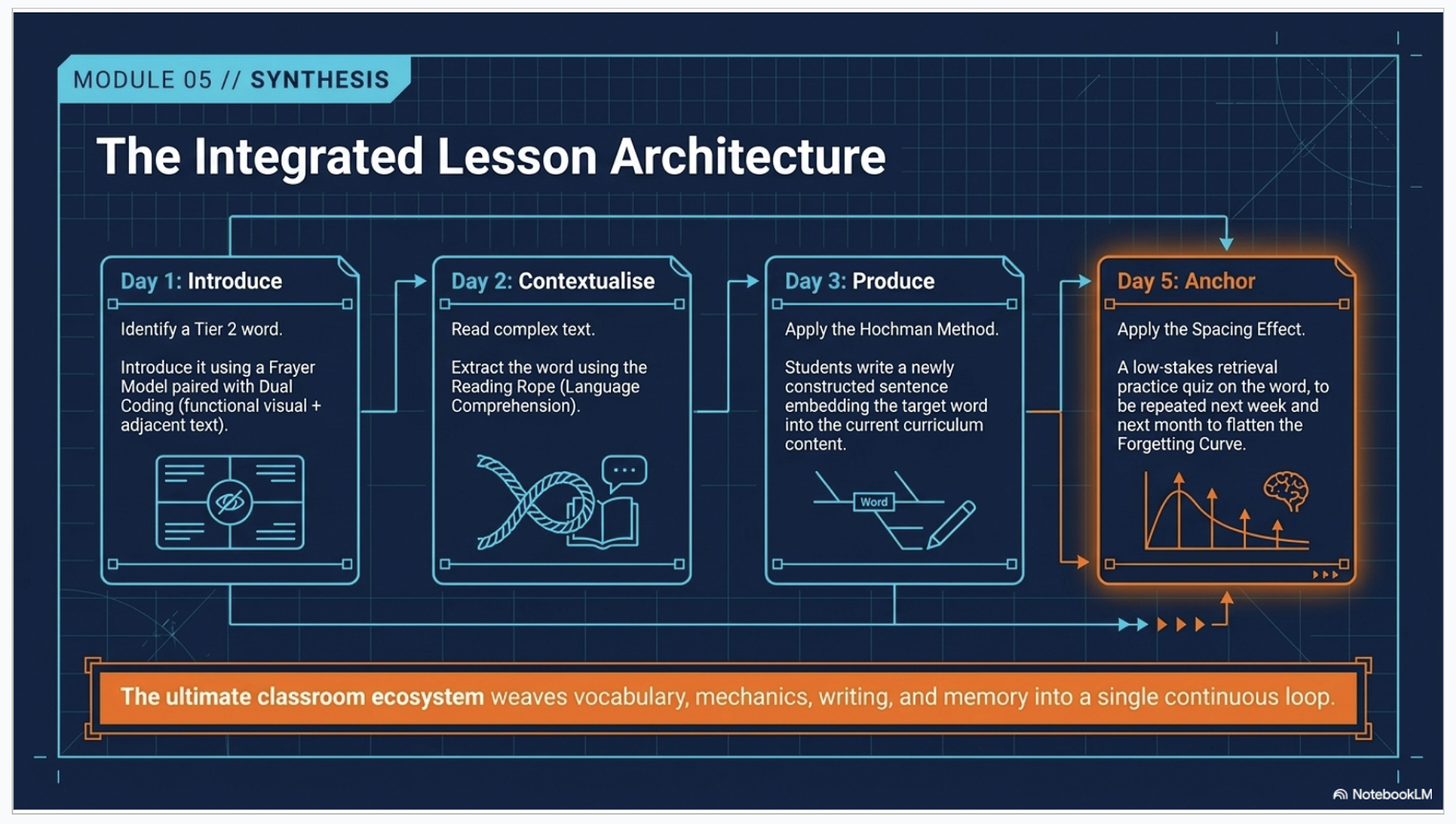
Staff explored practical, evidence-informed strategies that can be applied across all learning areas to help students develop their vocabulary and understanding. Particular attention was given to the explicit teaching of academic vocabulary — words such as analyse, justify, evaluate, discuss, and explain — which are commonly found across subjects and frequently appear in NCEA assessments.
Teachers were introduced to a range of approaches including:
Explicit vocabulary instruction.
The Frayer Model, which encourages students to explore a concept through definitions, characteristics, examples, and non-examples.
Dual Coding, where words are paired with meaningful visual representations to strengthen understanding and memory.
Strategies for revisiting and reinforcing vocabulary over time through retrieval and repeated exposure.
One of the key messages from the session was that literacy is everyone's responsibility. Effective literacy instruction is not confined to English classrooms. Every teacher has a role to play in helping students understand the language, concepts, and command words that are specific to their subject area.
Importantly, this work is not about adding another initiative to teachers' workloads. Rather, it is about refining classroom practice and ensuring that the language demands of each subject are made explicit so that all students can access learning more successfully.
By strengthening literacy practices across the curriculum, we are helping our boys become more confident readers, writers, thinkers, and communicators. These skills not only support achievement in NCEA and IB, but also prepare students for further study, employment, and lifelong learning.
As a school, we remain committed to using evidence-informed teaching practices that improve learning outcomes and ensure every student is equipped with the knowledge, skills, and language they need to succeed.
 Open Event Registration - Interested in enrolling?
 Employment opportunities - click if you're interested in working at McGlashan.