

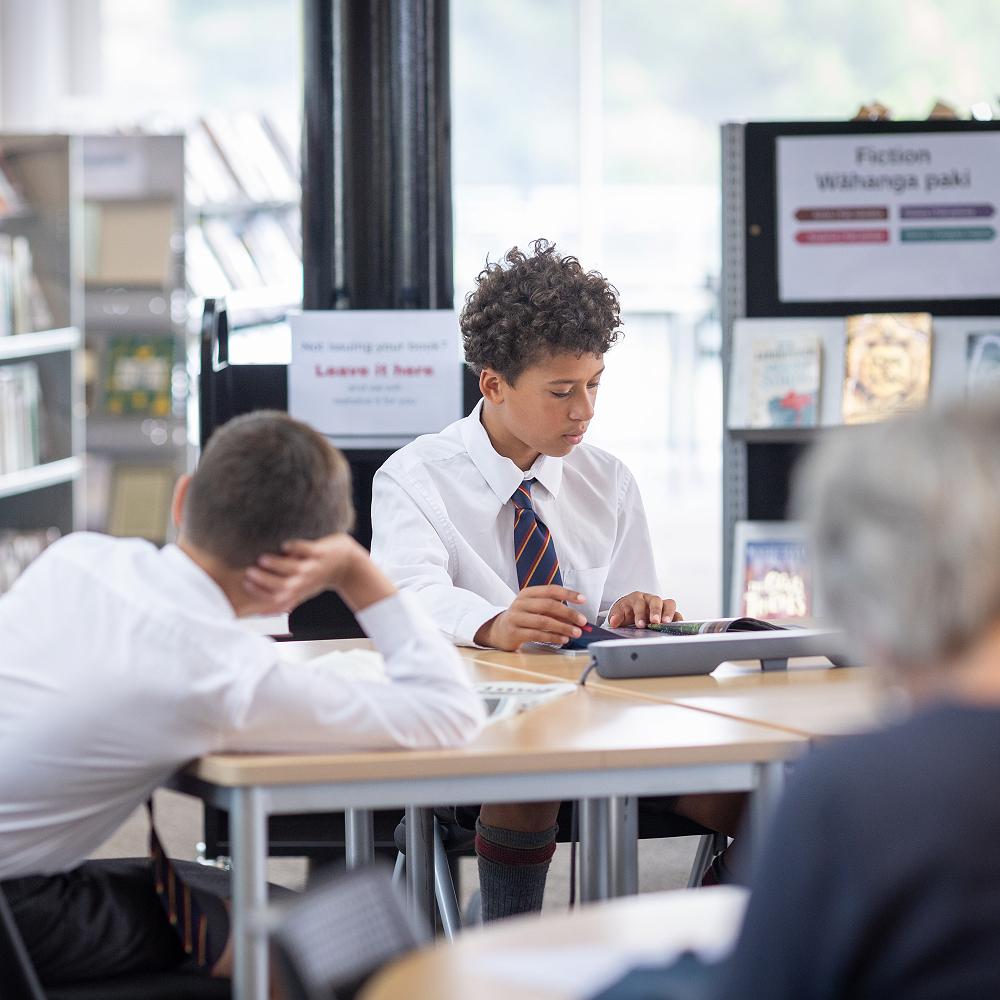
‘When students develop the ability to reflect on their learning, they become more self-aware, independent, and motivated learners. This helps shift them from being passive recipients to active agents of their learning.’ This statement by the Global Metacognition Institute was presented to staff at this week’s Professional Learning and Development session, which was focused on students becoming more reflective learners. While staff have been busy implementing strategies to strengthen pedagogical practices and ensure calm, settled, and productive classrooms, the flip side is students taking ownership of their learning, with self-reflection as a key component.
Denmore describes self-reflection as the evaluation or judgement of your performance and the identification of strengths and weaknesses with a view to improving learning outcomes (Denmore, 2017). A report by the National Council for Curriculum and Assessment set down the benefits for students of reflecting in and on learning. This included learners becoming more aware of the knowledge and skills they have developed and identifying strengths and areas for development. Setting actionable future learning goals, gaining a greater understanding of themselves and how they learn, and taking more responsibility for their learning were also highlighted as benefits.
As we look to our value of Excellence and supporting our young people to realise their potential, it is important that we foster a culture that provides the opportunities and mechanisms for self-reflection and goal setting. To that end, we have prioritised building students’ capacity to learn deeply and independently, and to exercise agency, in our Annual Implementation Plan for 2026. Teaching students how to learn and study is part of this. We’ll know we’ve achieved this when our students demonstrate deep and independent learning behaviours and show increased motivation, agency and efficacy.
Over the past few weeks, Donna Smith, Dean of Year 9, has been piloting a reflection tool that we plan to implement this term for all year groups. It has its genesis in a conversation we had in the car on the return from the Wānaka Show back in March. A group of our Year 10 boarders spent time with us in the tent during the show, and we were interested to hear the conversations about the Progress Grades that had just been published. There was an energy and genuine engagement in their sharing of grades. On our return to Dunedin, we talked about how we could use this engagement to spur a deeper and systemised reflective and goal-setting process. Donna ran with this and developed the Reflect & Reset, which has been piloted with the Year 9s.
The Reflect & Reset tool is a structured routine to help students turn Progress Grades into reflection, and reflection into next steps they act on. It usesstructured reflection to develop awareness, ownership, and improvement. The Year 9 students have engaged with the activity in CORE class after each round of Progress Grades. Here, they work through a scaffolded process of reflection and goal setting. The role of the teacher is to ensure the time and conditions are set for the students to carry out the activity.
Donna shared her observations about self-reflection by the Year 9s before the implementation of the Reflect & Reset. There was learning happening, but not learning from learning. Students completed work, but did not improve from it or engage in feedback. Any reflection was surface-level, and goals were vague or disconnected from learning. Overall, the students were passive in their progress and were not responding to feedback effectively. Reflection only matters if it leads to change.
The Year 9 Reflect & Reset provides a scaffold by which the students reflect on what they did well and need to improve on for each of the Knowledge & Understanding, Effort & Attitude, and Self-Management & Collaboration learning attributes. This includes comparisons of averages between report cycles. They set a goal for the next three-week cycle and how they will know they have achieved this. Entering into a growth mindset, they anticipate any challenges and how they will overcome them.
The feedback gathered from the Year 9s shows the positive reception to and impact of the Reflect & Reset, which will only be strengthened as the practice embeds.
Showing areas for improvement: “It helps me find my weaker areas.” / “I didn’t check my grades before, but now I do.” / “I can see what I need to work on.”
Goals Drive Action: “It gives me something to focus on.” / “I have something to work towards.” / “It motivates me to try harder.”
Students Are Changing What They Do: “I focus more and get my work done.” / “I ask more questions.” / “I think about how I use my time.”
It Holds Me Accountable: “It makes me want to try harder.” / “I don’t want my score to go down.” / “It keeps me on track.”
Effort is Becoming Visible:“I try harder to get a better effort grade.” / “I do things with more intent.” / “I want teachers to see I’m trying.”
The success of the pilot activity has led to the development of templates for the Year 7s and 8s and another for senior students, which includes prompts for direct engagement with their NCEA data. The Reflect & Reset will be rolled out over the next two weeks. Students engage with it in the week following the publication of Progress Grades, and this will be done during Form Time.
Building this habit and practice will have a significant impact on experiences and outcomes of young people at John McGlashan College. This will help shift our students from being ‘passive recipients’ to ‘active agents of their learning’, a necessary precursor to them realising their potential.
Dr. Aaron Columbus
Principal | Tumuaki
 Open Event Registration - Interested in enrolling?
 Employment opportunities - click if you're interested in working at McGlashan.