

Welcome to the Week 6 edition of Cyber Safety with John Parsons. This week John takes a look at: staying safe while online gaming
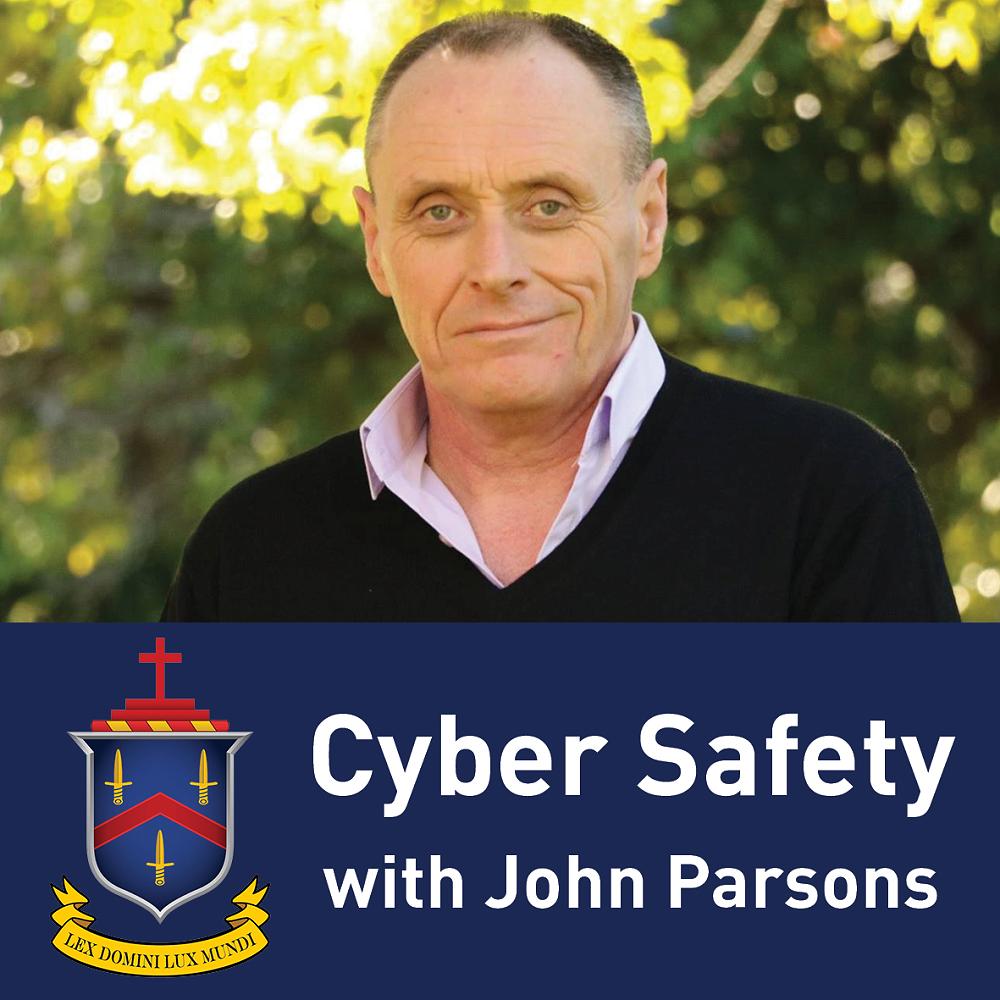
This week John looks at the golden rules of online gaming.
CHILDREN & ONLINE GAMES - A NOSY PARENT IS A LOVING PARENT (click to watch).
There is no 'real world' and 'online world' - the online world is an extension of the physical world and we should follow the same golden rules when it comes to staying safe. Along with the video above, here are some golden rules that John has noted for you to discuss with your boys:
When communicating with people I have only met online, such as in an online game in cyberspace or when using an application installed on my mobile phone that allows me to communicate, I will always do my best to leave out personal information.
I will never go and meet people I have met online in the physical world unless a parent or adult is present. I will NEVER break this rule. It is non-negotiable.
When playing online games that require images, I will use an avatar and create an internet name. The name will not be my real name and it will be consistent with the values of my family. When possible, I will make my profile private.
I will never ignore my gut feelings. If something bothers me when communicating with someone online, I will talk to an adult I trust.
When I use any form of digital communication, I will learn how to use functions and security settings to help keep myself and others safe. I will take the time to demonstrate to my parents that I can do this.
I will only use online games, chatrooms, visit websites and install applications on my devices that are consistent with my family values.
If anybody online talks to me and tries to pressure me for personal information, I will stop communicating with them and take control of the situation. I will tell an adult I trust what has happened.
I will never accept a gift from a stranger online or offline. Paedophiles sometimes send gifts to children as part of the ‘grooming’ process. The game itself may also include the ability to purchase items within the game. Paedophiles have been known to buy items related to the game for other players as part of the grooming process. I will inform my parents or an adult I trust without delay if this ever happens to me.
If a person asks me to keep a secret, I will remember that this is a warning sign I could be in danger. Paedophiles rely on secrecy and don’t want children to talk to adults they trust about them.
When I’m on the internet, I will not follow links or leave one online location and follow a person to another location. For example, if I am playing an online game and someone asks me to go to another chatroom or asks to talk on Skype or a similar video-streaming platform, this is a warning sign and I will stop communicating and talk to an adult I trust.
Inappropriate talk or images. Sometimes Paedophiles will try to initiate a conversation with a young person online that has a sexual theme and it feels awkward, embarrassing or just strange. They should never tolerate this; they should go and talk to a trusted adult about this. It could be hard to talk to parents about this so then you could talk to a teacher, a guidance councillor or even a police officer, just to get somebody else’s opinion on it.
We should block, delete and or report people that make us feel uncomfortable or threaten us, or try to make us say or do things we don’t want to.
Never answer questions that don’t relate to the game they are playing. Personal information needs to remain personal.
Younger children should always be closely monitored when online. The device should be in a place were other older family members can keep an eye on them.
Even if a young person has made a mistake or they have done something they shouldn’t have, it’s never too late to tell an adult they trust. Even adults make mistakes. The most important thing is that the child tells an adult they trust so they can get them the help they need. Also, parents need to remain calm if the child tells them about something they have done. When parents overreact, it makes it harder for the child to tell them about things in the future.
When parents are actively involved in their child’s use of information communication technology it demonstrates to the child that they are loved.
When parents want to know who their children are talking to online it shows how much they are loved. A NOSY PARENT IS A LOVING PARENT!
Call 111 in emergencies. If you can’t decide whether it’s a real emergency and you’re still worried, call 105 and ask the Police. They will help you work out what to do.
You could also contact www.netsafe.org.nz if you have concerns about your child’s use of Information Communication Technology. Sometimes a chat on the phone with an expert is all it requires to solve a problem or relieve a concern.
For more information and resources you can also visit the JMC Health Hub page.
About John:
John Parsons is a New Zealand based Cyber Safety and Risk Assessment Consultant who works with education, health and private sectors, providing specialist advice and direction on the safe and ethical use of Digital Communication Technology. John is a published author of “Keeping Your Children Safe Online” and a social commentator who works throughout New Zealand and Internationally.
John Parsons
Safeguarding Children and Adults Online
 Open Event Registration - Interested in enrolling?
 Employment opportunities - click if you're interested in working at McGlashan.