

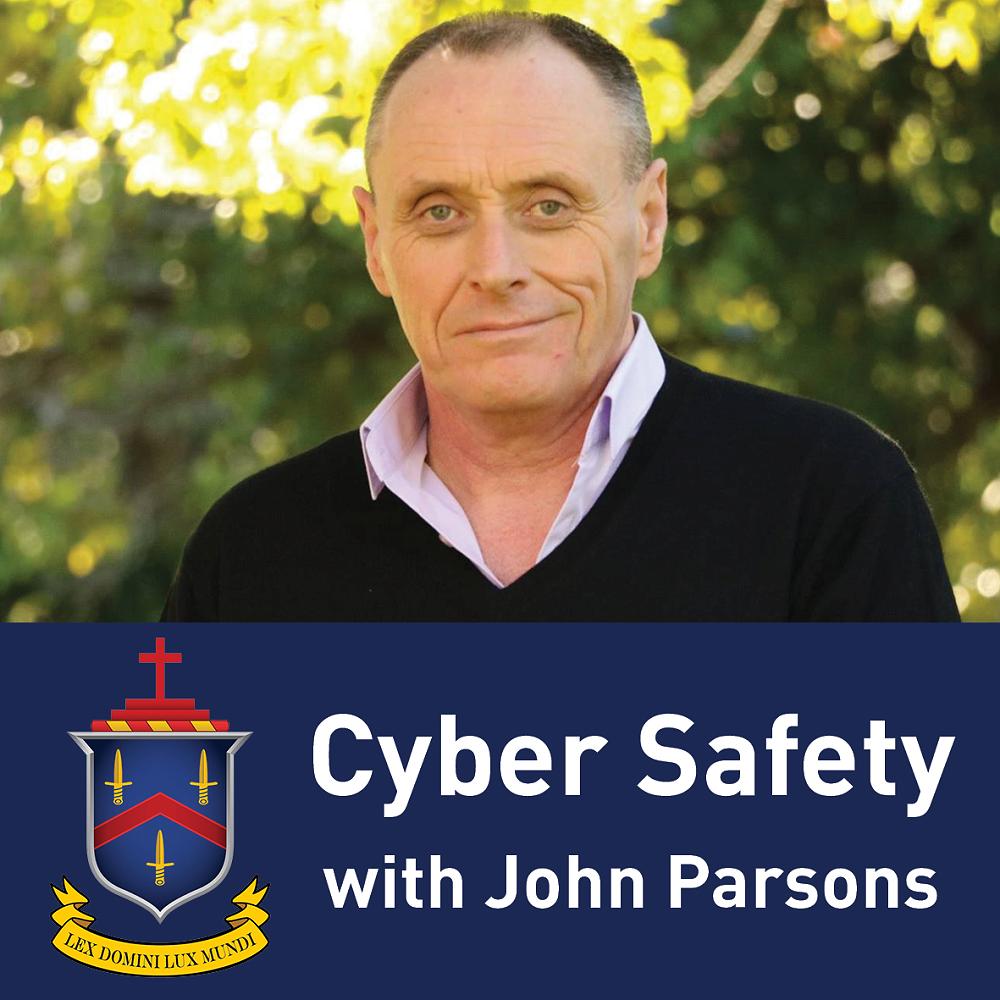
Welcome to the Week 10 edition of Cyber Safety with John Parsons. This week John takes a look at: Live-streaming and understanding the risks for children
The internet is a target-rich, offender friendly environment. It allows sexual predators to surveil children from a relatively safe position and trawl online platforms looking for children and young people that may be projecting lack of inhabitation, lack of maturity or acting out in sexualised ways when live streaming.
LIVE STREAMING: UNDERSTAND THE RISKS (click to watch).
Young people that live stream are communicating in real-time and often with complete strangers. They could be dancing on their bed, showing others online how to do something, or completing a challenge somebody online has asked them to complete while live streaming.
When a person is behind a screen perhaps in their bedroom and on their own, they may lack inhibition. This can lead to children doing things online that they may later regret, and often do, from my experience of working with victims.
Sexual predators will use numerous tactics to try and abuse children and young people in the digital space and the physical space, including attention and affection. Some have even been known to send gifts or pay for items online in order to manipulate children and young people into doing things in the moment.
It is still important that we create opportunities for children and young people to use communication technology safely and ethically. To achieve this it requires a combination of education based on their age, level of maturity and parental oversight.
Reducing Risk When Live Streaming - Let your kids read this to you!
The presence of family is often a deterrent to sexual predators who may be surveilling young people looking for potential targets.
It is important than when anyone broadcasts or live streams online, the bedroom and the bathroom should be off-limits because they are private spaces that project vulnerability.
Children, young people and even adults have a duty of care for themselves. Learning to protect self is an important commitment to make to ourselves.
Parents/guardians need to be involved with a young person’s use of ICT. A nosey parent is a loving parent.
If a child receives a request to talk in private, they should disconnect and tell an adult they trust.
Children should identify with a trusted parent/guardian who is an adult they can talk to if they have a worry. Parents/guardians should also help children identify organisations that can help them if they ever need advice on issues related to ICT or other things.
I will never ignore my gut feelings. If something feels wrong, I will talk to someone I trust.
I am unique, I am valuable and I am loved. My identity belongs to me and I will always do my best to nurture and protect it. I have a duty of care for myself.
Important information:
Call 111 in emergencies. If you can’t decide whether it’s a real emergency and you’re still worried, call 105 and ask the Police. They will help you work out what to do. You could also contact www.netsafe.org.nz if you have concerns about your child’s use of Information Communication Technology. Sometimes a chat on the phone with an expert is all it requires to solve a problem or relieve a concern.
For more information and resources you can also visit the JMC Health Hub page.
About John:
John Parsons is a New Zealand based Cyber Safety and Risk Assessment Consultant who works with education, health and private sectors, providing specialist advice and direction on the safe and ethical use of Digital Communication Technology. John is a published author of “Keeping Your Children Safe Online” and a social commentator who works throughout New Zealand and Internationally.
John Parsons
Safeguarding Children and Adults Online
 Open Event Registration - Interested in enrolling?
 Employment opportunities - click if you're interested in working at McGlashan.