

The 2025 Blue September marks over a decade of dedicated awareness for prostate cancer in New Zealand.
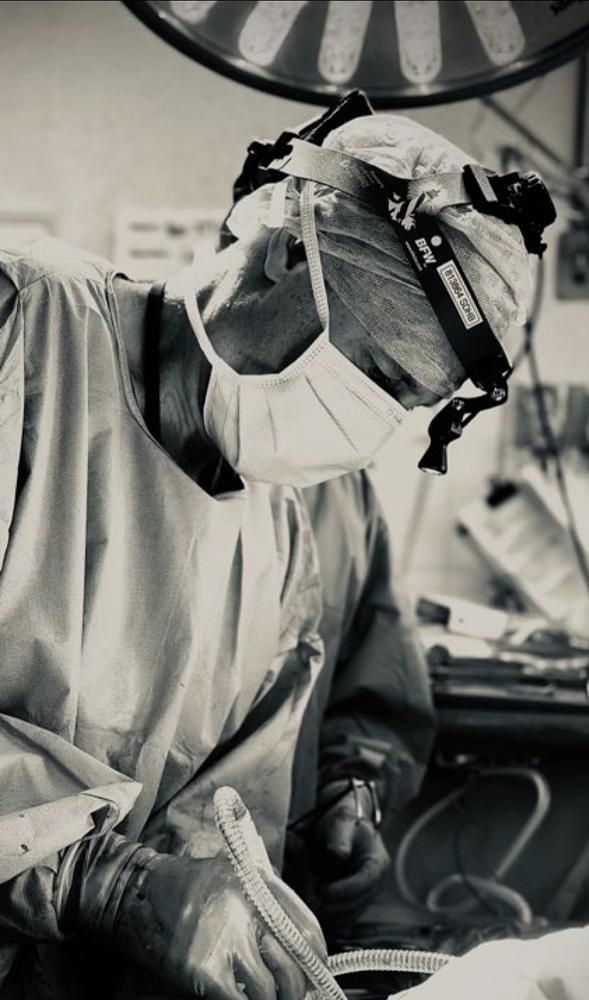
To shed some light on this critical men's health issue, we sat down with local Urological Surgeon, Mr. Alastair Hepburn, a familiar face in the Dunedin community and a Dad of a John McGlashan College student.
Mr. Hepburn grew up in the Cook Islands and then Central Otago, where he, among other things, picked a lot of fruit. He later completed his medical degree at the University of Otago. His early career included time as a private in the NZ Army (infantry) and playing rugby for Southern, followed by years as a Forensic Physician in the U.K. before returning to New Zealand for his surgical training and finally settling in Dunedin.
Q: Mr. Hepburn, in 50 words or less, could you explain what prostate cancer is?
"Prostate cancer affects men exclusively and is the most common internal cancer in New Zealand men. While most men will develop some form of it if they live long enough, it often won't cause them problems. For instance, a 60-year-old man has around a 30% chance of having some form of prostate cancer but only a few percent will have significant cancer that needs treatment."
Q: What are the main risk factors for prostate cancer?
"Obviously being male is the primary risk factor, along with age and family history. Unfortunately, there's nothing modifiable – like diet or lifestyle – that can reduce your risk of getting it."
Q: What's the most important advice you can give regarding prostate cancer?
"Early detection is absolutely key. All men over 50 should discuss a PSA blood test with their GP. This test can highlight any concern, which can then be referred for further investigation, usually an MRI scan. If there's a strong positive family history – fathers, paternal uncles, or brothers diagnosed with significant prostate cancer before the age of 65 – PSA screening should be considered even earlier, at 40 years old, and referral to a specialist is advised for all these men regardless of PSA result."
Q: What is the prognosis for prostate cancer, especially with early detection?
"With early detection, the prognosis is excellent. Most men will require monitoring rather than intervention and even those requiring treatment have a very high survival rate."
Q: Finally, what is your advice to our community this Blue September?
"Get tested! It's that simple. Knowing your risk of prostate cancer is crucial for early detection and peace of mind."
 Open Event Registration - Interested in enrolling?
 Employment opportunities - click if you're interested in working at McGlashan.