

“One of the problems with teaching is that there's a temptation to evaluate what we do in the classroom based on how clearly it aligns with a larger philosophy, or even how gratifying it is to use, not necessarily how effective it is...” Doug Lemov - author of Teach Like a Champion
I’m a big fan of Doug Lemov, a prominent and influential American educator, author, and researcher. He has observed thousands of teachers and identified the pedagogical and classroom management techniques used by what he terms ‘champion teachers’. At the heart of his approach is a focus on routine, codified language, and shared practices between teachers, which are rooted in the science of learning. His comment above belies the essence of his approach, which is drawing out the core techniques that are most effective in the classroom.
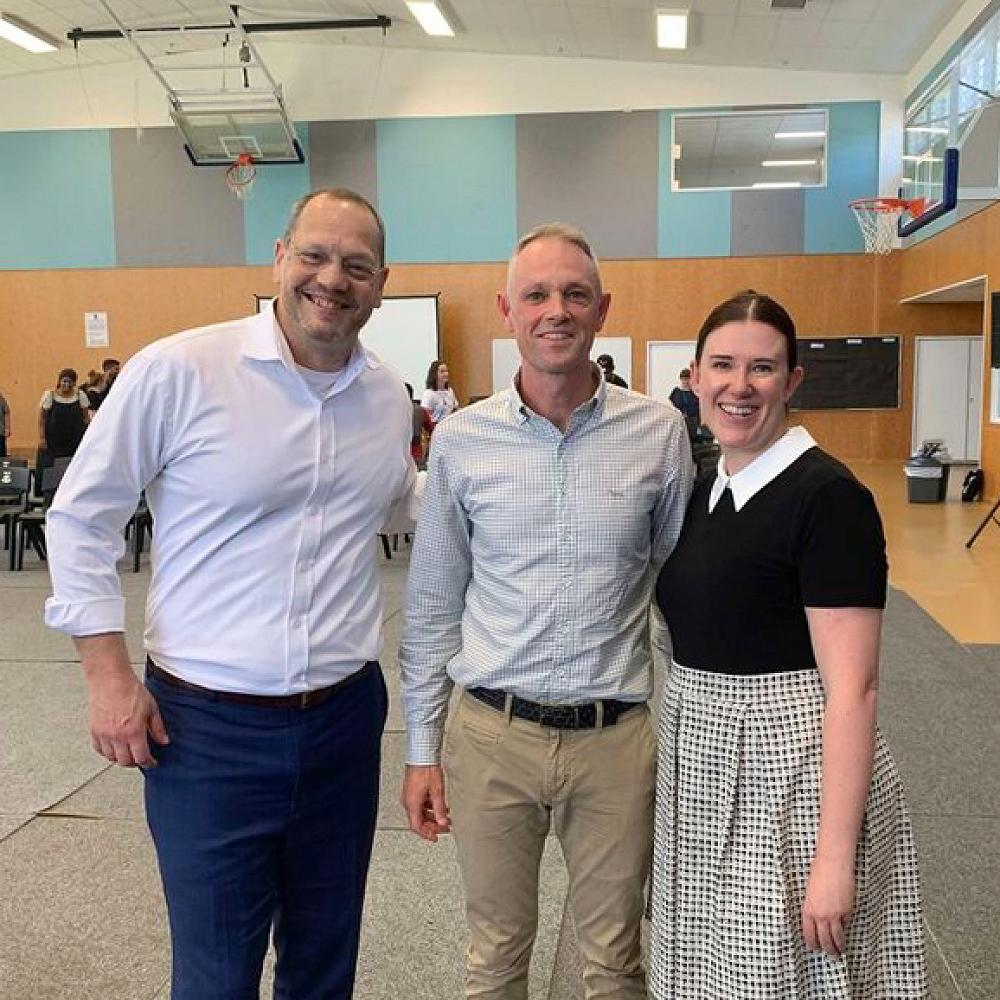
I was lucky enough to attend a two-day workshop with Doug in Auckland in January of 2025. We had been engaging with aspects of his work at Wellington College. The experiences of the workshop and spending some time with Doug and his colleague Jenny, consolidated my understanding of his approaches and the difference that can be made by codifying pedagogical language and implementing a selection of shared techniques across classrooms.
One of our key priorities this year is to strengthen classroom practices that are consistent, culturally sustaining, and warm and demanding. We’re working towards this by implementing strategies that are informed by the science of learning. This has been the focus for staff during our Wednesday morning professional learning and development sessions, following five of our staff attending a workshop with Doug Lemov at Wellington College back in January.
Doug believes that great teachers are made, not born. He does not follow any particular philosophy, but a key tenet that underpins his approach is that teachers need to maximise the amount of thinking and learning going on in their classroom at any one time, and to ensure that this effort is widely distributed. Another is that ‘mundane routines can have magical effects’, this being that predictability reduces cognitive load (on the brain) and allows students to focus on content and not procedures. Doug also says that his techniques work best when young people understand when and why they are being used.
You might remember me referencing a research tour to the UK in October 2023, when I visited several high-performing academy trust schools in London and Yorkshire. Their shared driver was ‘performance equity’, the idea that students deserve great teaching every day. It shouldn’t be dependent on which teacher they have in front of them. Their focus was on a degree of consistency in pedagogical practices and behaviour management. The common denominator in each of these schools was the use of Doug Lemov’s book, Teach Like a Champion, as the basis for their approaches to teaching and learning.
We visited Dixon’s Trust schools in Bradford and Leeds, part of a network of 14 schools whose mission is to challenge disadvantages in the North-East of England. They serve very deprived communities and have incredible and life-changing outcomes for their young people. They were inspiring and humbling places to be as an educator. Luke Sparkes runs the Dixons Multi Academy Trust network. All teachers receive copies of Lemov’s book, and the staff work together to practice and embed the techniques in their classrooms. Commenting in a Guardian article about the focus on Lemov’s work, Luke shared there is no ‘single innovation or magical personality around which everything revolves, just a shared and relentless attention to better execution.’
What I saw at these schools was how strong routines and common techniques provided greater scope for teacher autonomy. As I shared in a recent foreword, the study tour influenced the mahi that we engaged in on our return to Wellington College. At its core was the science of learning, which really is just using the research about how brains work and how this relates to learning. Mahi, like Doug’s, utilises the science and research that has been built up over the last fifty or so years to inform the most effective teaching techniques.
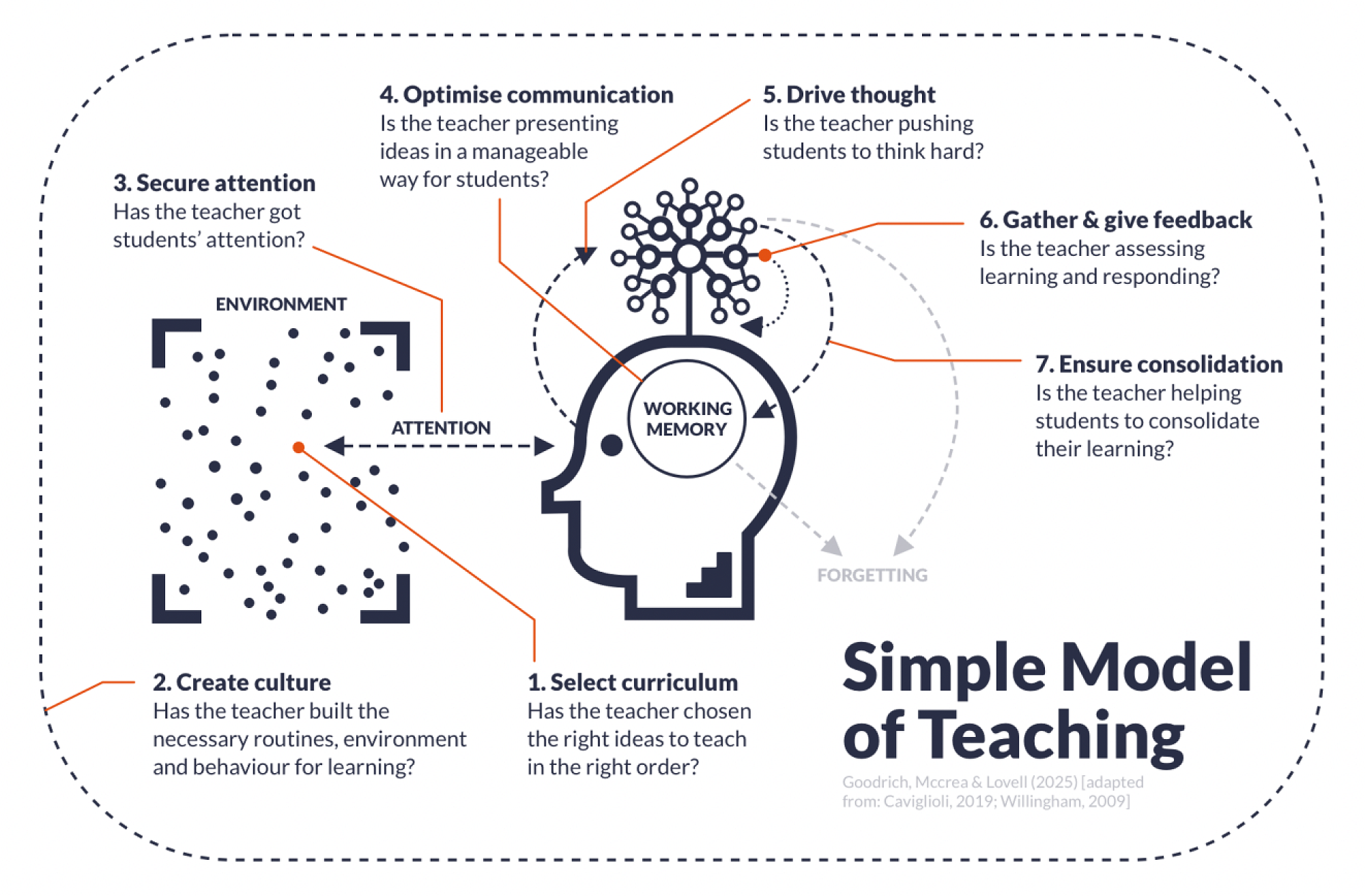
Retrieval is an example of an essential learner habit. See the diagram about how teaching and learning work and the relation of this to long-term and working memory, the goal being to embed knowledge in the long term memory. Science shows us that the more we engage with something we have learned, the stronger it becomes (encoded) in our long-term memory. When we base a starter activity (a 'Do Now' in Lemov’s language) on retrieval, we are activating that process. It’s simple but impactful.
My recent experiences have led me to value rituals, routines, and techniques that best activate learning in the brains of young people. We have this knowledge and understanding, along with a suite of techniques and strategies that work, so why wouldn't we engage with them? Some educators feel that Doug Lemov is too focused on uniformity. I think they miss the point and the opportunities, particularly the centrality of relationships to these approaches.
Doug promotes the concept of ‘warm and demanding’, which is best summed up as relational and caring, alongside high expectations. The renowned American educator, Zaretta Hammond, whose work focuses on culturally responsive practices, talks about the ‘critical’ importance of teachers as being 'warm demanders’. These teachers, she argues, bring together warmth with high expectations, or ‘active demandingness,' which is an insistence on personal excellence and academic effort.
In reference to students with special educational needs, Lemov argues that people underestimate the power of habits. “If everyone is distracted from thinking, that’s important for all students, but it’s doubly important for SEND students. People look at predictability as boring, but it sets you free to focus on content. You can multiply that statement for pupils with special educational needs.”
I see the strong relationships between staff and students here at John McGlashan College. Our theme of 100% Every Day is focused on fostering a culture of effort. The work we are doing as staff to strengthen classroom practices creates the conditions by which students can achieve this. We’ve been talking about the collective with staff, shared responsibility, the idea that what I do in my classroom has an effect on what happens in yours, in regard to behaviour and effort.
At the centre of all that we do is to support our young people to realise their potential and thrive. I’m grateful for the way in which staff are leaning into this work, and together, ensuring we live the value of Excellence, whereby students can strive for personal growth, be curious and self-disciplined, and pursue their potential. We are only at the beginning of this journey, but we are up and running and on our way.
Dr Aaron Columbus
Principal | Tumuaki
 Open Event Registration - Interested in enrolling?
 Employment opportunities - click if you're interested in working at McGlashan.