
Seeing geography in action
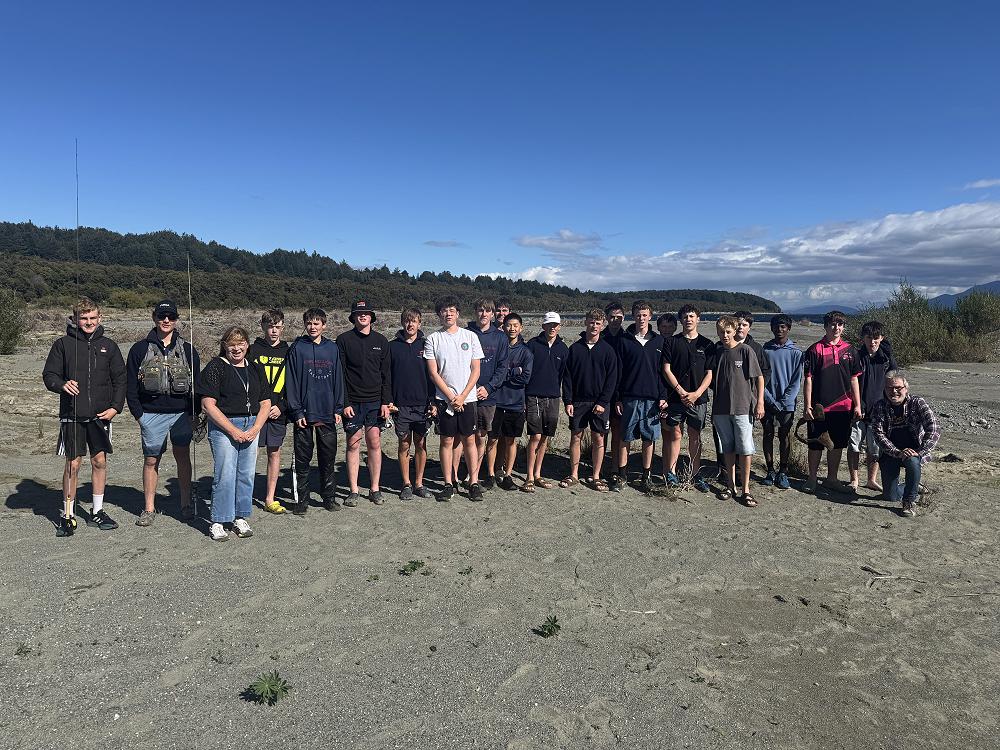
Seeing geography in action is one of the most powerful ways to learn, and Week 7 of Term 1 provided exactly that for our Year 11 Geography students.
The group travelled to Te Anau Downs, staying at Kohaka Lodge, for a fieldwork camp focused on understanding fluvial processes in a real-world setting. The trip began with a bumpy ride to the mouth of the Eglinton River at the top of Lake Te Anau, providing an early opportunity to observe river environments in context before moving into more structured fieldwork.
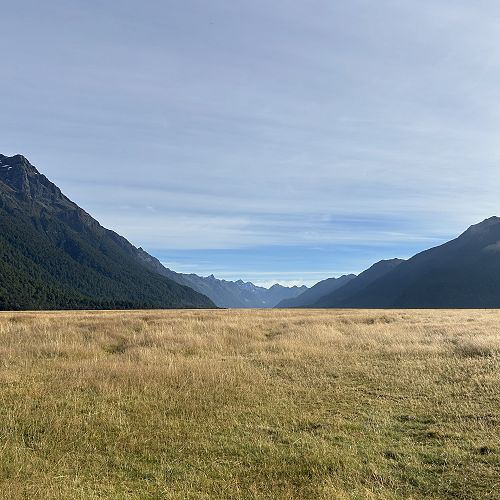
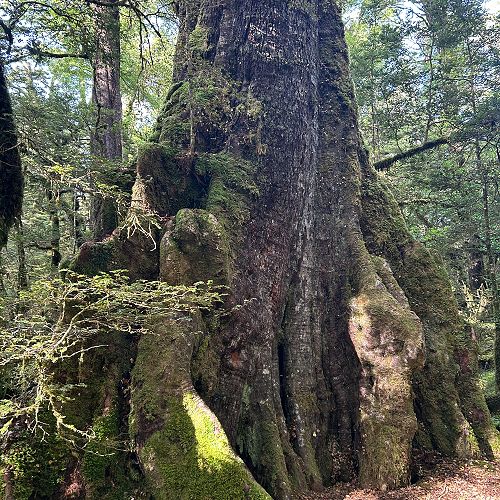
Day two offered ideal conditions for learning; sunny, still, and temperatures in the 20s. The group stopped at the widest part of the Eglinton Valley to examine the braided river system and the U-shaped valley formed by past glaciation, helping students connect fluvial processes with the wider landscape. Further stops included Mirror Lakes and the source of the river at Lake Fergus. A walk through native beech forest led to Lake Gunn, where the start of the Eglinton River system could be clearly observed.
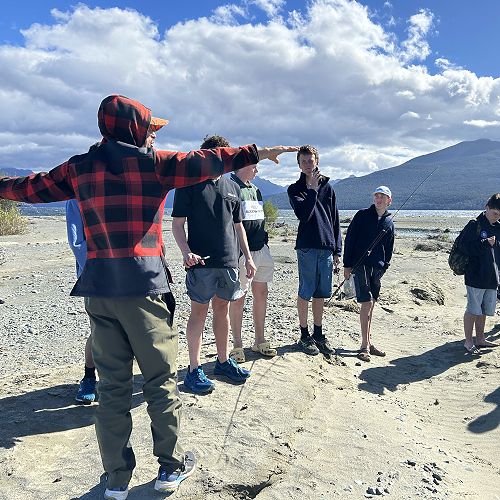
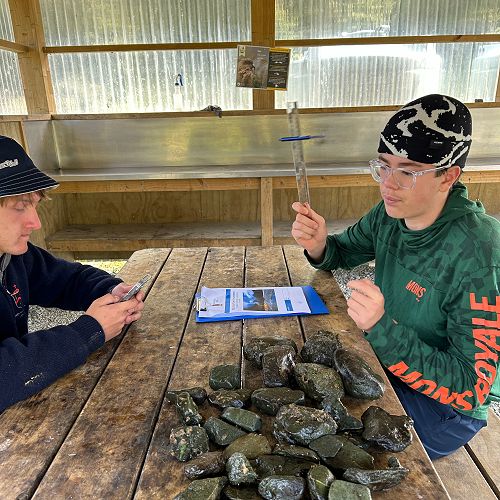
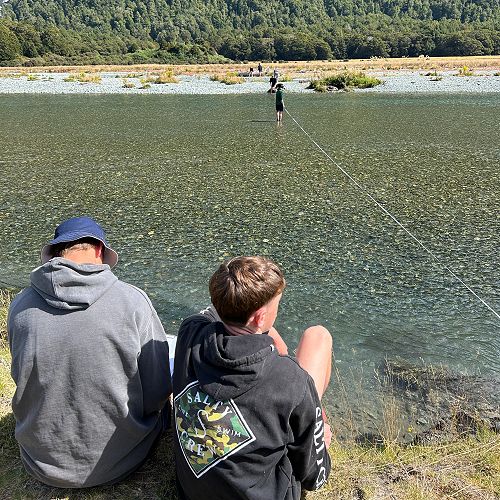
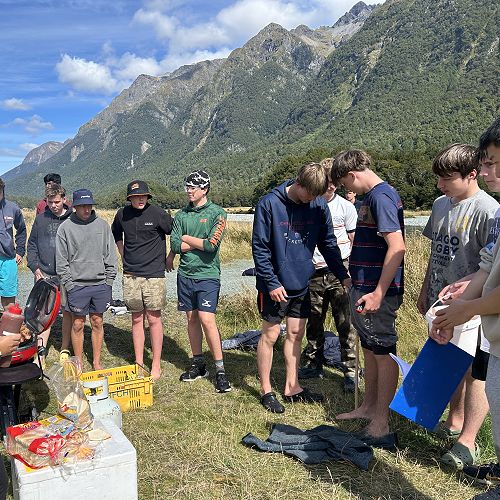
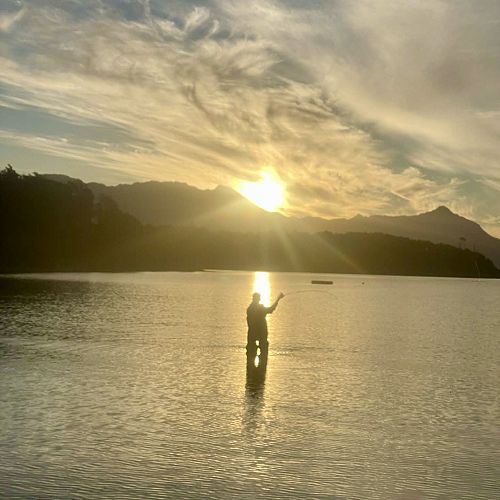
Students then carried out their core fieldwork. At Site 1, they worked in groups to measure river width, depth, and velocity, applying classroom knowledge in a practical context. At Kiosk Creek (Site 2), data collection continued, with a BBQ lunch providing a break between measurements. Once data collection was complete, students were able to unwind with a swim or try their luck fishing at Deer Flat.
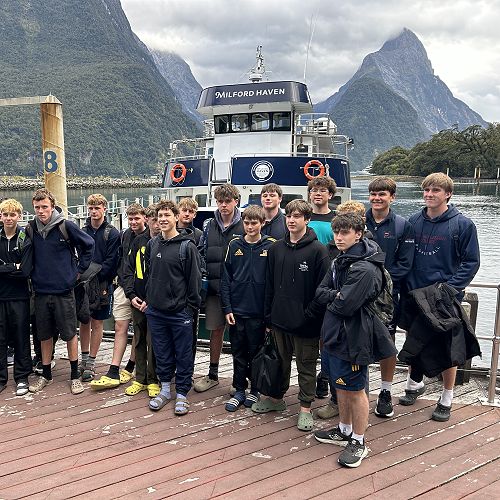
The following day included a visit to Milford Sound, where students observed large-scale glacial landforms and considered how past processes have shaped the present landscape, reinforcing the interaction between fluvial and glacial processes. A highlight of the evening programme was a guest presentation on the impacts of the invasive algae Didymosphenia geminata (Didymo) on Fiordland streams. Having already observed Didymo at Cascade Creek, students were able to make direct connections between field observations and current scientific research.
On the final day, students returned to Dunedin with a strong set of field data and a clearer understanding of how fluvial processes operate in natural environments. Overall, the camp provided a valuable opportunity to extend learning beyond the classroom, allowing students to observe, measure, and analyse geographic processes in action.
Special thanks to parent helper Mrs Jo Stafford for her support, and to Jason Palmer and Geoff Avis for generously sharing their knowledge and guiding students throughout the trip.
 Open Event Registration - Interested in enrolling?
 Employment opportunities - click if you're interested in working at McGlashan.